Personal Branding Strategy for Elite Men in Transition: Rebuild Your Image and Authority
For high-performing men aged 35 to 55 who feel misaligned, are navigating a new stage of life, and want to step into the version of themselves they’ve been ready for all along.
What You’ll Find In This Guide
Why a personal branding strategy for men becomes essential during major life transitions
The hidden costs of ignoring your personal branding statement and why it quietly shapes how others perceive you
How refining your personal aesthetic and personal brand simplifies daily decisions and sharpens your professional image
Why clothing quietly influences confidence, authority, and how your personal brand is perceived
The proven system high-achieving men use to master their personal brand without personal branding coaching

There comes a moment in many men’s lives when the mirror tells a quiet truth.
The suits still fit. The career is respectable. The life you built still stands.
And yet something feels slightly misaligned.
Maybe you’ve stepped into a new phase of leadership.
Maybe you’ve come through a divorce or a major life shift.
Maybe success arrived but the way you show up hasn’t caught up with who you’ve become.
This is where personal branding strategy for men becomes more than marketing jargon.
It becomes alignment.
Not the shallow kind you see on LinkedIn bios or motivational Instagram posts… but the deeper alignment between identity, presence, and perception.
Because whether we admit it or not, every man has a brand.
The question is simply:
“Does yours reflect the man you are now?”
Why Personal Branding Matters More for Men in Transition
Most people think personal branding belongs to influencers or startup founders.
In reality, it matters even more for men navigating transitional seasons of life.
Those seasons might include:
moving into executive leadership
launching a new business
rebuilding identity after divorce
becoming a public-facing authority
stepping into mentorship or speaking
During these moments, perception becomes powerful.
People read signals constantly:
your posture
your tone
your consistency
Before a word leaves your mouth, people have already formed an impression.
That impression becomes the foundation of trust.
Which is why many successful men eventually realize something important:
Style isn’t vanity. It’s communication.
Clothing, grooming, and presence form the visual language of leadership.
This is why the world’s most recognizable men (founders, actors, investors, speakers) all share one subtle trait:
Their image reflects who they are and what they stand for.
That’s personal branding.
“If you’re ready to upgrade your personal brand (intentionally) The Aesthetic Advantage walks you through an entire system step-by-step.”
What Personal Branding Actually Means (And What It Doesn’t)
The phrase personal branding often makes people uncomfortable.
It sounds artificial — as if you’re manufacturing a persona.
But real personal branding strategy isn’t about inventing someone new.
It’s about revealing the clearest version of who you already are.
Think of it this way.
Your personal brand lives at the intersection of three elements:

Identity
Who you actually are.
Presentation
How you show up visually and physically.
Consistency
The patterns people come to associate with you.
When those three elements align, something powerful happens.
People trust you faster.
Opportunities appear more naturally.
And perhaps most importantly…
You begin to feel more comfortable being seen.
Style Is the Physical Expression of Your Personal Brand
Most personal branding advice focuses on messaging.
But before people hear your ideas, they encounter your presence.
This is where style enters the equation.
Style is not about trends or fashion.
It’s about coherence.
When someone learns how to dress better as a man, they’re not just upgrading clothes.
They’re refining the signals they send.
For example:
A founder might project calm minimalism
A lawyer might signal precision and authority
A creative entrepreneur might embody relaxed sophistication
Each aesthetic communicates something slightly different.
This is why building a thoughtful wardrobe — even something as simple as a mens capsule wardrobe — can dramatically elevate how others perceive you.
When every piece in your closet works together, your presence becomes effortless.
And effortless confidence is magnetic.
The Hidden Cost of Ignoring Your Personal Brand
Many accomplished men delay thinking about personal branding.
Not because they don’t care — but because they assume their work should speak for itself.
In an ideal world, it would.
But humans are visual creatures.

Whether in a boardroom, on a stage, or across a dinner table, people form impressions within seconds.
If your outward presentation doesn’t reflect your internal evolution, a quiet disconnect appears.
You may feel it when:
younger colleagues seem more visually polished
dating feels awkward after years out of the game
speaking opportunities arise but confidence wavers
your professional image feels outdated
These moments aren’t superficial frustrations.
They’re signals.
Your external presentation hasn’t caught up with your internal growth.
Fortunately, this is entirely fixable.
The Five Pillars of Personal Branding Strategy for Men
Every powerful personal brand rests on a few simple foundations.
Let’s walk through them.
1. Clarity of Identity
Before adjusting style, you must define the man you’re becoming.
Ask yourself:
What stage of life am I entering?
What kind of authority do I want to embody?
What values should people sense when they meet me?
For some men, the answer is quiet confidence.
For others, it’s visionary leadership.
The goal is authenticity with intention.
Not performance.
2. Strategic Wardrobe Architecture
Once identity is clear, the wardrobe becomes the tool.
Many men discover that simplifying their closet creates surprising clarity.
Building a mens capsule wardrobe allows you to:
eliminate decision fatigue
maintain visual consistency
elevate everyday presence
The foundation typically includes versatile pieces that work across settings.
Think well-fitted trousers, refined knitwear, structured jackets, and classic footwear.
If you want a deeper breakdown, you can explore this guide on mens business casual outfits, which walks through how modern professionals balance comfort and authority.
The goal isn’t excess.
The goal is intentional simplicity.
3. Grooming and Physical Presence
Style alone isn’t enough.
Presence emerges from the complete picture.
This includes:
grooming habits
posture
body language
tone of voice
Interestingly, small improvements here often create the biggest shifts in confidence.
Many men searching for mens grooming tips aren’t looking to become fashion icons.
They simply want to look well put together.
When grooming becomes routine rather than reactive, presence naturally strengthens.
4. Consistency Across Contexts
A powerful personal brand remains recognizable in different environments.
The way you appear:
in business meetings
on social media
during speaking engagements
…should all feel connected.
This doesn’t mean wearing the same outfit everywhere.
It means the underlying aesthetic and attitude remain steady.
Consistency builds trust.
Trust builds influence.
5. Narrative Alignment
Finally, every personal brand tells a story.
For men in transition, that story might involve:
reinvention after divorce
stepping into leadership
launching a new venture
reclaiming confidence after years focused on others
Your style should support that narrative.
It becomes the visible signal that you’ve entered a new chapter.
A Practical Example of Personal Branding in Action
Imagine two executives entering the same meeting.
Both are competent. Both are intelligent.

But one arrives slightly disheveled, wearing clothes that don’t quite fit, carrying the subtle energy of someone rushing through life.
The other arrives composed.
His outfit is simple but intentional.
His posture relaxed but assured.
His grooming sharp but understated.
Before either man speaks, the room already senses something.
Authority isn’t only what you say.
It’s what people feel when you walk in.
That’s the quiet power of personal branding.
Personal Branding and Confidence
Confidence is often treated as something internal.
But the relationship between appearance and psychology runs both ways.
When men upgrade how they present themselves, they frequently notice shifts in how they feel.
That’s why searches like how to look more attractive men or self confidence for men often lead back to style.
Clothing influences posture.
Posture influences mindset.
Mindset influences behavior.
The cycle reinforces itself.
And over time, the man you see in the mirror begins to resemble the man you’ve been becoming internally.
The Role of Guidance in Personal Branding
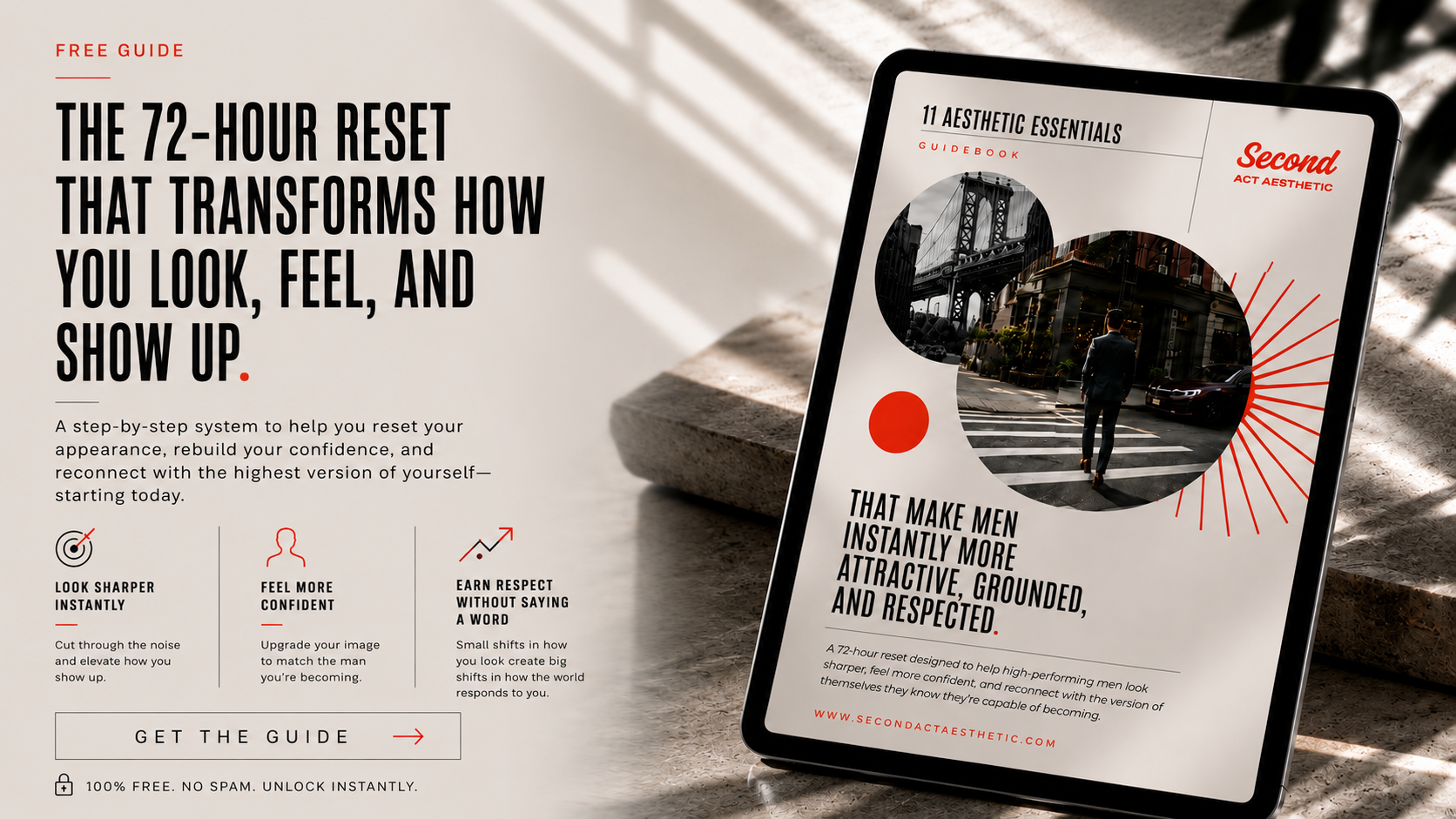
While some men enjoy navigating style independently, others appreciate experienced guidance.
Working with a mens image consultant, mens stylist, or personal stylist for men can accelerate the process dramatically.
An outside perspective helps you:
identify the right aesthetic quickly
avoid expensive wardrobe mistakes
refine grooming habits
create cohesive outfits for work and life
For men balancing demanding careers, this kind of support often saves both time and energy.
Instead of trial and error, the transformation becomes intentional.
Personal Branding Beyond Clothing
It’s worth remembering that personal branding extends far beyond wardrobe.
Your brand also lives in:
the ideas you share
the conversations you lead
the opportunities you pursue
For example, men stepping into public authority often develop skills like speaking and teaching.
Many even explore working with a public speaking coach to strengthen how their voice carries their ideas.
Again, the goal isn’t performance.
It’s alignment between who you are and how you express it.
When Personal Branding Becomes Transformation
At its best, personal branding isn’t cosmetic.
It becomes a form of personal growth.
Men who invest in their presentation often discover something unexpected.
They aren’t becoming someone new.
They’re reclaiming parts of themselves that were waiting to emerge.
The process might start with something simple:
Like learning how to dress better as a man.
But it gradually expands into:
greater confidence
clearer identity
stronger presence
What began as style quietly becomes self-respect in action.
The Real Goal: Becoming Recognizable to Yourself
The most powerful personal brands share one trait.
They feel natural.
Think of men whose presence you admire.
Their style doesn’t look forced.
It looks inevitable — as if their clothes, voice, and personality belong together.
That’s the destination.
Not perfection.
Not trendiness.
Simply coherence.
When identity, style, and behavior align, something rare happens.
You become recognizable to yourself.
And when that happens, the world tends to recognize you too.

Frequently Asked Questions
What is a personal branding strategy for men?
A personal branding strategy for men is the intentional process of aligning your identity, appearance, communication, and professional presence so others clearly understand who you are and what you represent. It combines elements like wardrobe, grooming, confidence, and consistency to create a recognizable personal image.
How is personal branding different from fashion?
Fashion focuses on trends. Personal branding focuses on identity and perception.
A strong personal brand uses clothing strategically — often through systems like a mens capsule wardrobe or refined business casual outfits— to reinforce credibility and confidence.
Do I need a personal stylist or mens image consultant?
Not necessarily. Many men improve their personal brand once they understand the fundamentals of style, grooming, and presence.
While a mens image consultant, mens stylist, or personal stylist for men can offer some personalized guidance, many prefer learning a structured system they can apply themselves… building a wardrobe, refining their aesthetic, and strengthening their presence over time.
How long does it take to improve your personal brand?
Most men notice meaningful improvements within 60–90 days once they begin implementing intentional wardrobe upgrades, grooming routines, and presence training.
The key is consistency. Small improvements compounded over time create powerful results.
Does personal branding really improve confidence?
Yes. Appearance and psychology are deeply connected.
When your presentation aligns with your identity, you naturally feel more comfortable in professional, social, and dating environments. This alignment often leads to measurable improvements in self confidence for men and leadership presence.
Why Most Men Never Turn Insight Into Action
They consume content.
They save inspiration.
They follow mens stylists online.
But they never install a system.
Without a system:
You buy randomly.
You drift stylistically.
You revert under stress.
System beats inspiration.
Every time.
The Second Act Philosophy
Second Act Aesthetic exists for one reason:
To help high-performing men 35-55 years old align their identity with their presentation in their next chapter.
Not trends.
Not vanity.
Not peacocking.
Alignment.
Because when identity and presentation match, everything stabilizes.
Your posture.
Your communication.
Your dating life.
Your leadership presence.
You stop hoping to be perceived well.
You expect to be.
Introducing: The Aesthetic Advantage
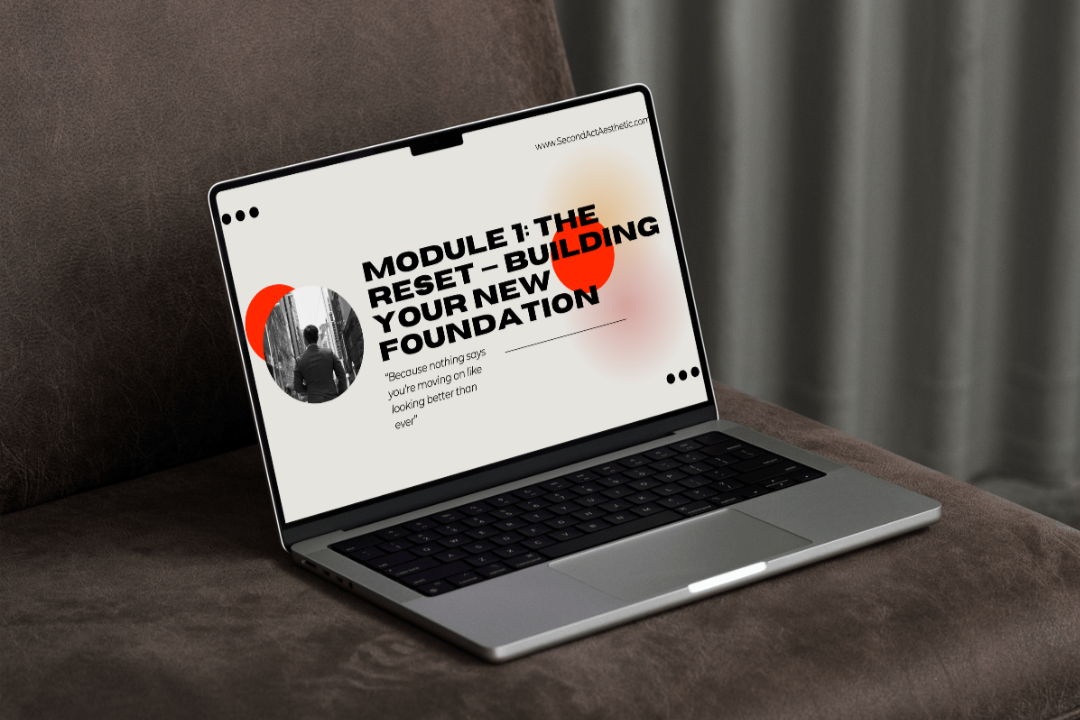
The Aesthetic Advantage is the structured system behind everything you just read.
Not consulting.
Not dependency.
Not fashion advice.
A blueprint.
YOUR blueprint.
Inside you’ll find:
Personal aesthetic calibration framework
Capsule wardrobe architecture system
Business casual mastery blueprint
Grooming and presence alignment strategy
Long-term evolution system
This is designed for top-tier men 35–55 years old in transition.
Divorce.
Promotion.
Reinvention.
Expansion.
Men entering their Second Act.
You implement it.
You build it.
You own it.
No gatekeeping.
Just structure.
Imagine 90 Days From Now
You enter a room.
No adjustment.
No scanning.
No second-guessing.
Your clothing fits.
Your energy is steady.
Your identity feels integrated.
People don’t react to your clothes.
They react to your presence.
That’s The Aesthetic Advantage.
Final Word
You searched for personal branding strategy for men.
But the deeper question is this:
“How do I align who I’ve become with how I show up?”
That’s not surface-level.
That’s powerful.
And if you’re ready to stop drifting and start designing your Second Act intentionally…
The Aesthetic Advantage will be waiting when you are.
No noise.
Simply structure.